Dr. Charles Zuker: The Biology of Taste Perception & Sugar Craving | Huberman Lab Podcast #81

Topics covered
Popular Clips


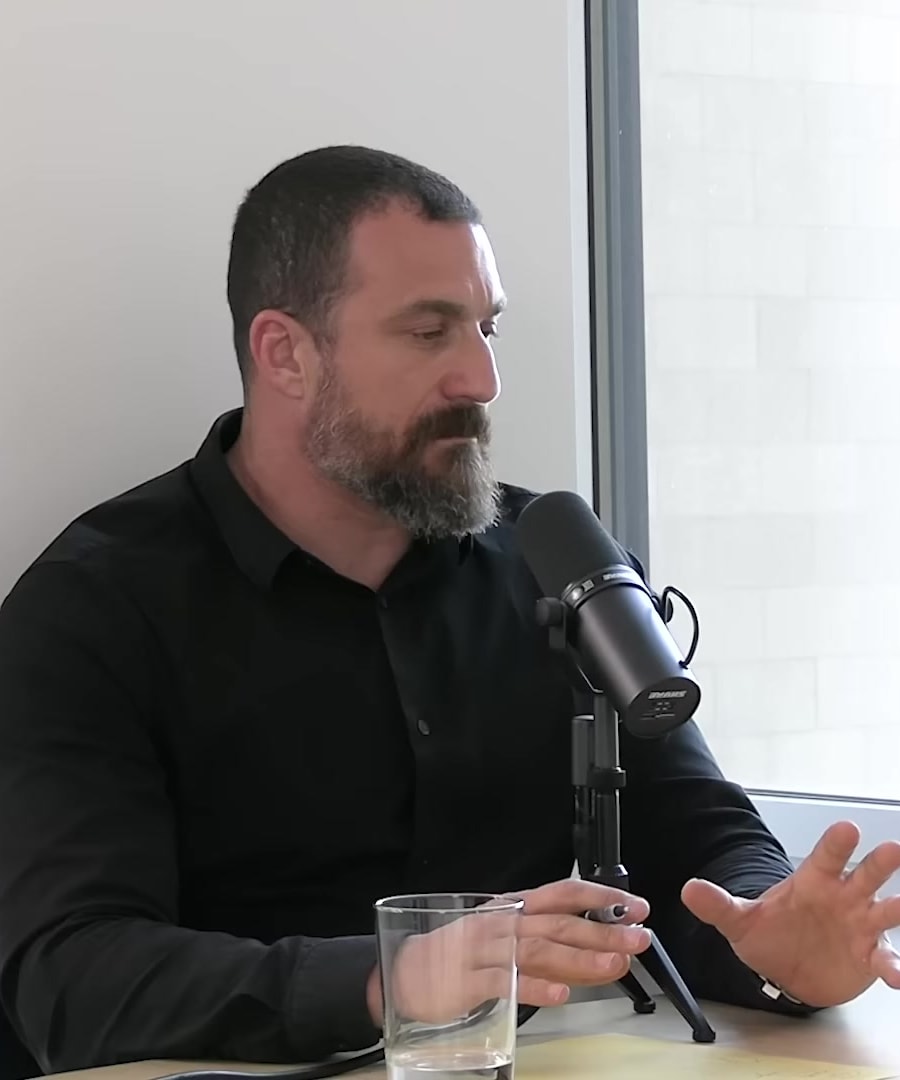


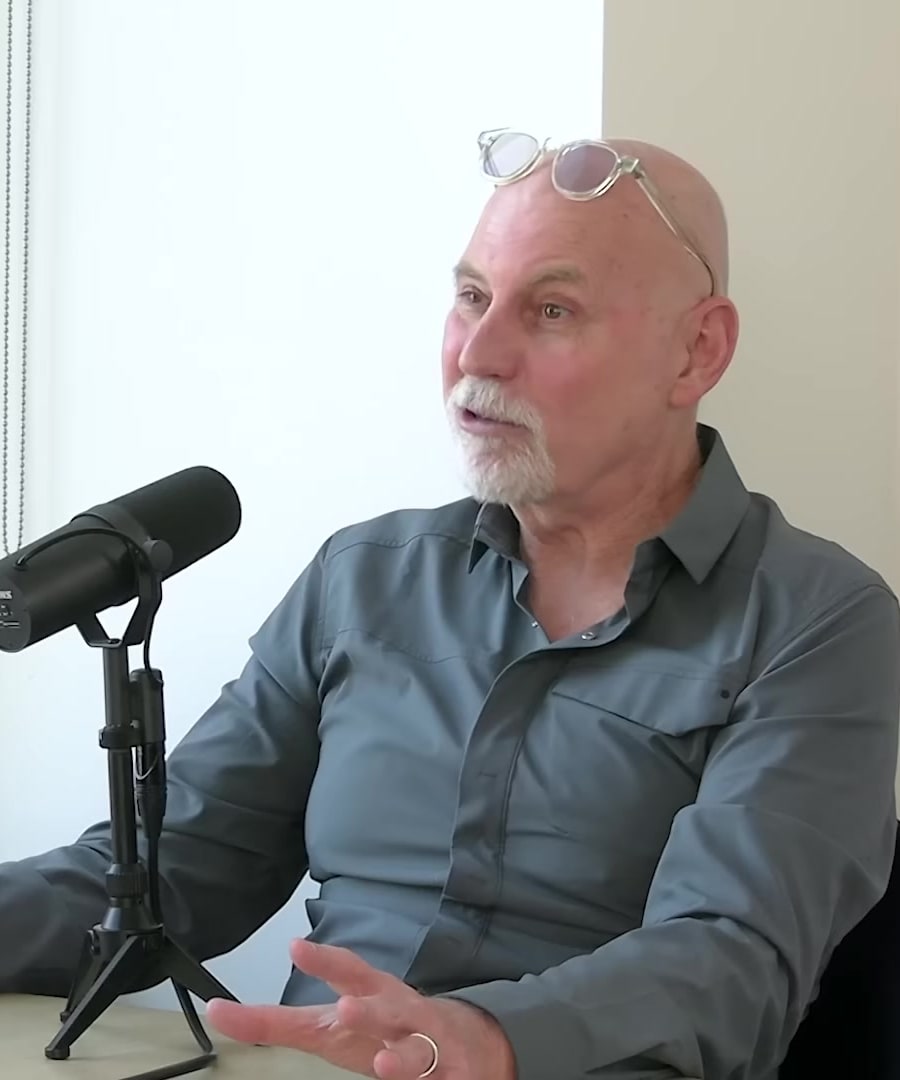
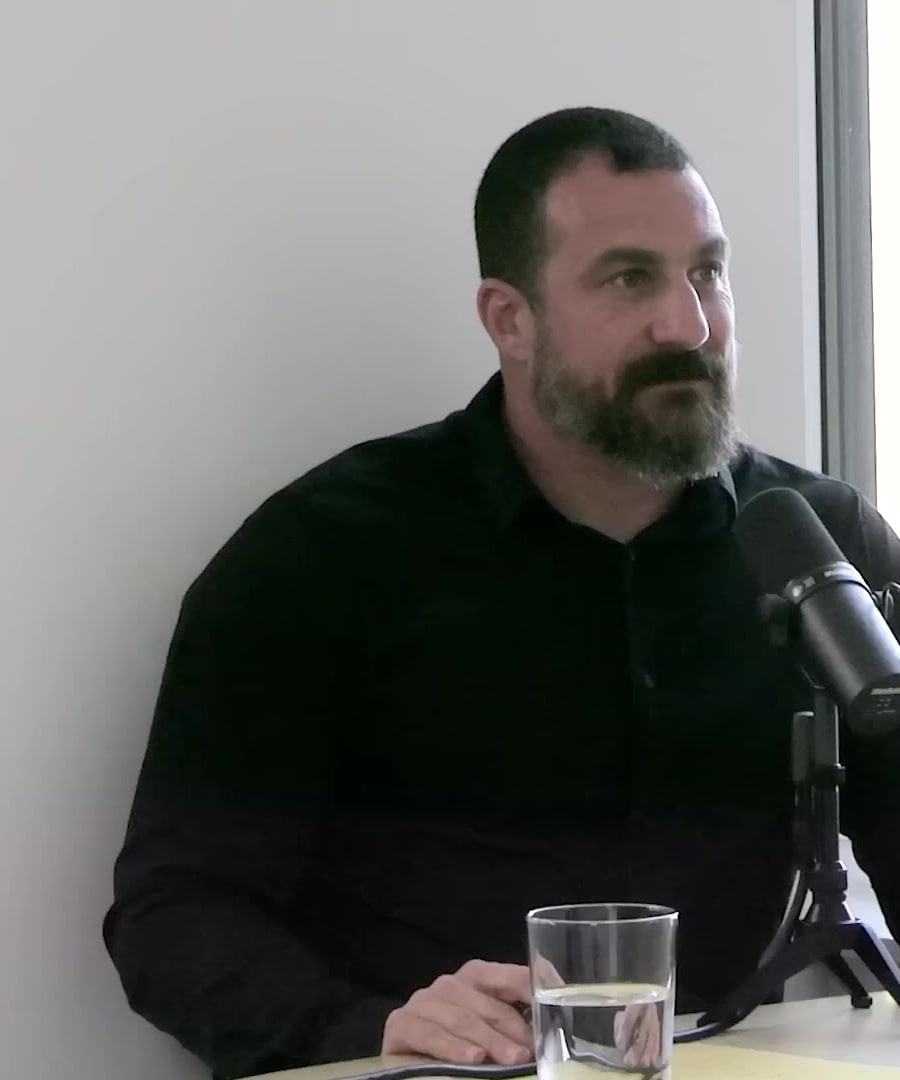
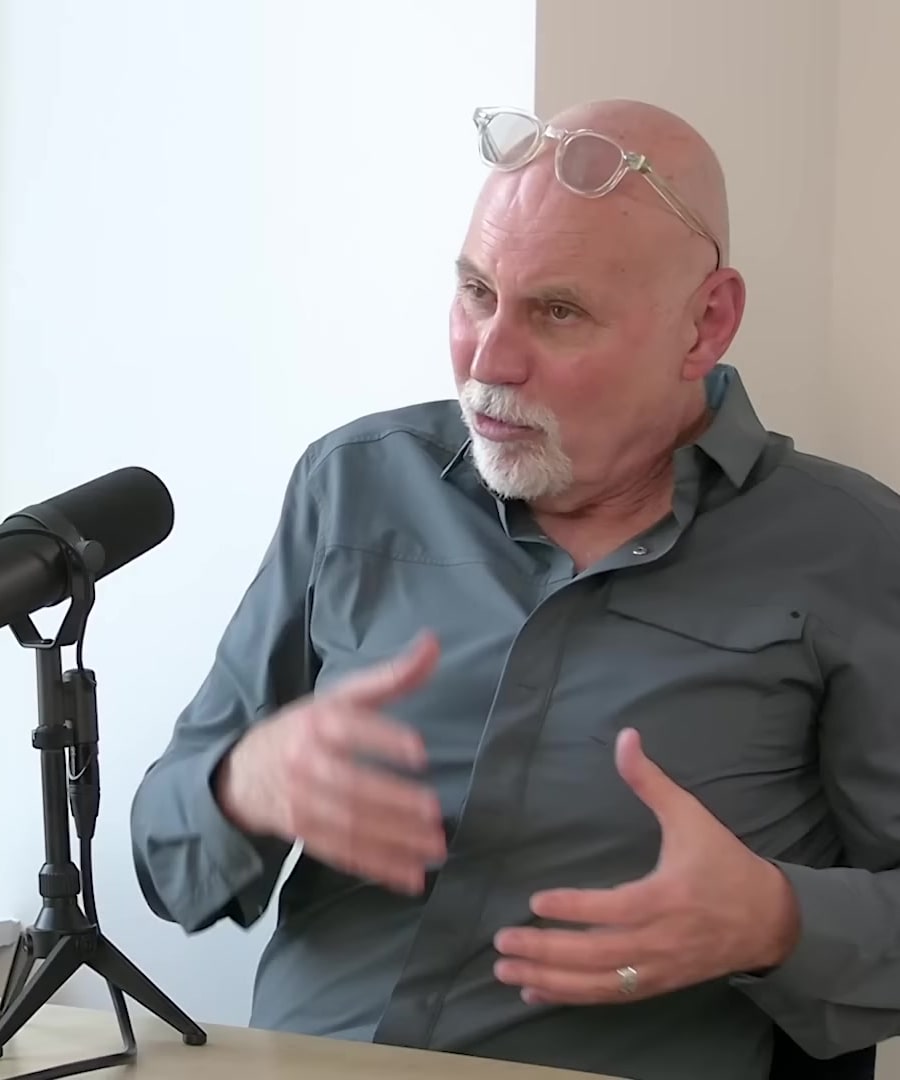
Episode Highlights
Circuit Mapping
The intricate mapping of brain circuits reveals how taste perception is deeply intertwined with our neural pathways. explains that the vagus nerve, often misunderstood as a singular calming pathway, actually comprises thousands of fibers, each with distinct functions related to body physiology and metabolism 1. This complexity is crucial for understanding the gut-brain axis and its role in taste perception and craving. notes, "The magic of this gut-brain axis is the fact that you have these thousands of fibers really doing different functions."
The magic of this gut-brain axis is the fact that you have these thousands of fibers really doing different functions.
---
The sensory journey of taste is not just about the food itself but the entire experience, from presentation to context, which influences our perception and enjoyment 2.
Emotional Links
Taste perception is intricately linked to emotions and memories, with certain tastes evoking strong emotional responses. discusses how taste can trigger one-trial learning, where a single experience can create a lasting memory, such as conditioned taste aversion 3. This phenomenon highlights the brain's ability to associate specific tastes with emotional states. adds that the brain has distinct areas for different taste perceptions, such as sweet and bitter, which can be manipulated to evoke specific responses 4.
The taste system is literally at the top of that food chain.
---
This ability to segregate taste perceptions underscores the brain's complex role in encoding and interpreting sensory information.
Related Episodes

How Lactate & Metabolism Influence Performance
Answers 383 questionsNutrition to Support Brain Health & Offset Brain Injuries
Answers 383 questionsHow to Enhance Performance With Better Sleep
Answers 383 questionsHow to Boost Your Metabolism & Burn Fat
Answers 383 questions
Dr. Tommy Wood: Enhancing Brain Performance & Preventing Dementia
Answers 383 questionsEnhancing Bone Health at Every Age
Answers 383 questionsHow to Improve Your VO2 Max & Build Endurance
Answers 383 questionsWhy Muscle Matters & How to Build Muscle | Perform with Dr. Andy Galpin
Answers 383 questions
Dr. Bret Contreras: How to Build Bigger Glutes & Legs
Answers 383 questionsGenetic Testing for Sports Performance | Perform with Dr. Andy Galpin
Answers 383 questionsHow to Use & Interpret Blood Tests for High Performance
Answers 383 questionsWelcome to Perform with Dr. Andy Galpin
Answers 383 questions