Jill Miller: Increase Flexibility & Relieve Pain with Breathwork & Myofascial Release

Topics covered
Popular Clips








Questions from this episode
- Asked by 141 people
- Asked by 111 people
- Asked by 75 people
- Asked by 68 people
- Asked by 54 people
- Asked by 34 people
- Asked by 32 people
Episode Highlights
Diaphragm Role
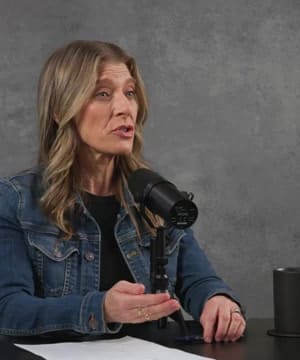
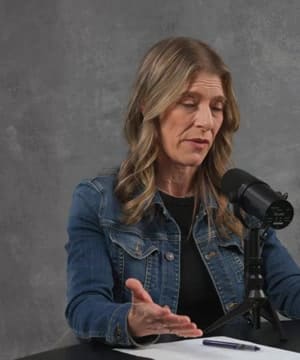
The diaphragm plays a crucial role in breathing and body mechanics, influencing everything from posture to pain management. explains how the diaphragm's movement affects the pelvic floor and low back, emphasizing the importance of proper alignment to prevent dysfunction 1. She highlights the challenges of feeling the diaphragm and suggests using tools like therapy balls to enhance awareness and flexibility 2.
Most people are missing this horizontal movement because of just the way life creates so much tension in our back body. Low back pain is the most prevalent cause of pain worldwide. And I'm here to solve that problem.
---
Proper diaphragm function can alleviate common issues like low back pain by promoting better alignment and movement 2.
Breathing Zones
Breathing techniques significantly impact health and flexibility, with different zones of breathing affecting various body parts. and Jill discuss how zone three breathing, often linked to stress, can lead to chronic issues like headaches and jaw pain 3. Jill recommends focusing on zone two breathing to maintain a healthy posture and reduce tension 4.
Zone two is really where you wanna be most of the time. And you wanna use zone three in case of emergency.
---
By practicing specific breathing exercises, individuals can improve their awareness and adopt healthier breathing patterns 4.
Stress Reduction
Activating the parasympathetic nervous system through breathing can reduce stress and enhance recovery. Jill emphasizes the importance of parasympathetic tolerance, which helps maintain creativity and decision-making abilities by counteracting the effects of chronic stress 5. She introduces the "Five Ps"—perspective, place, position, pace of breath, and palpation—as a framework for achieving relaxation and recovery 6.
Slow, deep breathing is primal. You know, the HHP Foundation...recently put out a systematic review on all the breath research that was targeted towards anxiety reduction.
---
These practices can be integrated into daily routines to foster a parasympathetic dominant state, promoting overall well-being 6.
Related Episodes

Why Muscle Matters & How to Build Muscle | Perform with Dr. Andy Galpin
Answers 383 questionsHow to Enhance Performance With Better Sleep
Answers 383 questionsHow & Why to Strengthen Your Heart & Cardiovascular Fitness
Answers 383 questionsHow Lactate & Metabolism Influence Performance
Answers 383 questionsHow to Improve Your VO2 Max & Build Endurance
Answers 383 questionsHow to Boost Your Metabolism & Burn Fat
Answers 383 questions
Dr. Tommy Wood: Enhancing Brain Performance & Preventing Dementia
Answers 383 questionsEnhancing Bone Health at Every Age
Answers 383 questionsWelcome to Perform with Dr. Andy Galpin
Answers 383 questions
Dr. Bret Contreras: How to Build Bigger Glutes & Legs
Answers 383 questionsThe Truth About Childhood Weight Lifting | Dr. Andy Galpin
Answers 383 questionsNutrition to Support Brain Health & Offset Brain Injuries
Answers 383 questions